
Solar
How to Read a Solar Proposal Without Getting Lost
“How do I compare two solar quotes fairly?”
Updated September 5, 2026 · 7 min read
The short answer
Key takeaways
- Always get the cash price, even if you intend to finance.
- Production estimates rest on assumptions — ask for them.
- Check roof condition and remaining life before installing anything.
- Read cancellation and transfer terms before signing.
Normalise the numbers first
Two proposals are only comparable when the system size, equipment and production assumptions are visible. Convert everything to cash price and annual production, then compare.
- System size and panel count
- Panel and inverter make and model
- Estimated annual production and the shading assumptions used
- Cash price, then financed price with all fees
- Battery scope, if any
- Warranty terms for equipment, inverter and workmanship
Do the roof maths before the solar maths
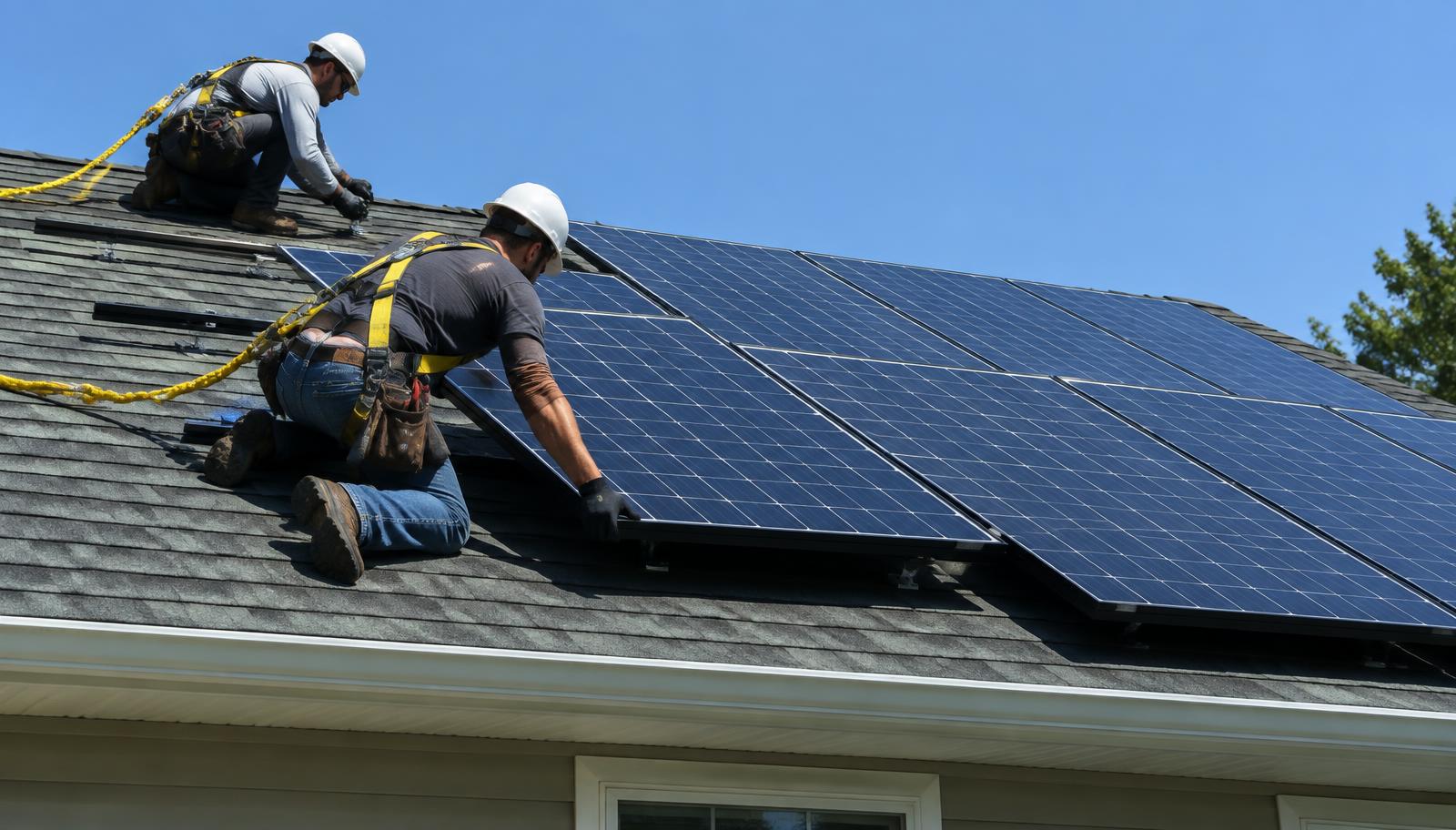
Panels last decades. If the roof has under ten years left, replacing it first is almost always cheaper than removing and reinstalling an array later. Ask the installer to state the roof's condition in writing.
Watch the contract, not just the pitch
Escalating payments, long lock-ins, transfer restrictions when you sell, and incentive assumptions that depend on your tax position are all worth reading slowly. If a proposal is only attractive with optimistic assumptions, treat it as optimistic.
Common questions
Quick answers homeowners ask next.
- Should I replace my roof before installing solar?
- If the roof is near the end of its life, yes. Removing and reinstalling an array later usually costs more than doing the roof first.
- Is a battery worth adding?
- It depends on your tariff, outage frequency and usage pattern. Price it as a separate line so you can judge it on its own.
- Why do production estimates differ between installers?
- Different shading, orientation and degradation assumptions. Ask each installer to show the inputs, not just the output.
Where to go next