
Load calculation
A Manual J style sizing check rather than matching the old unit's tonnage.
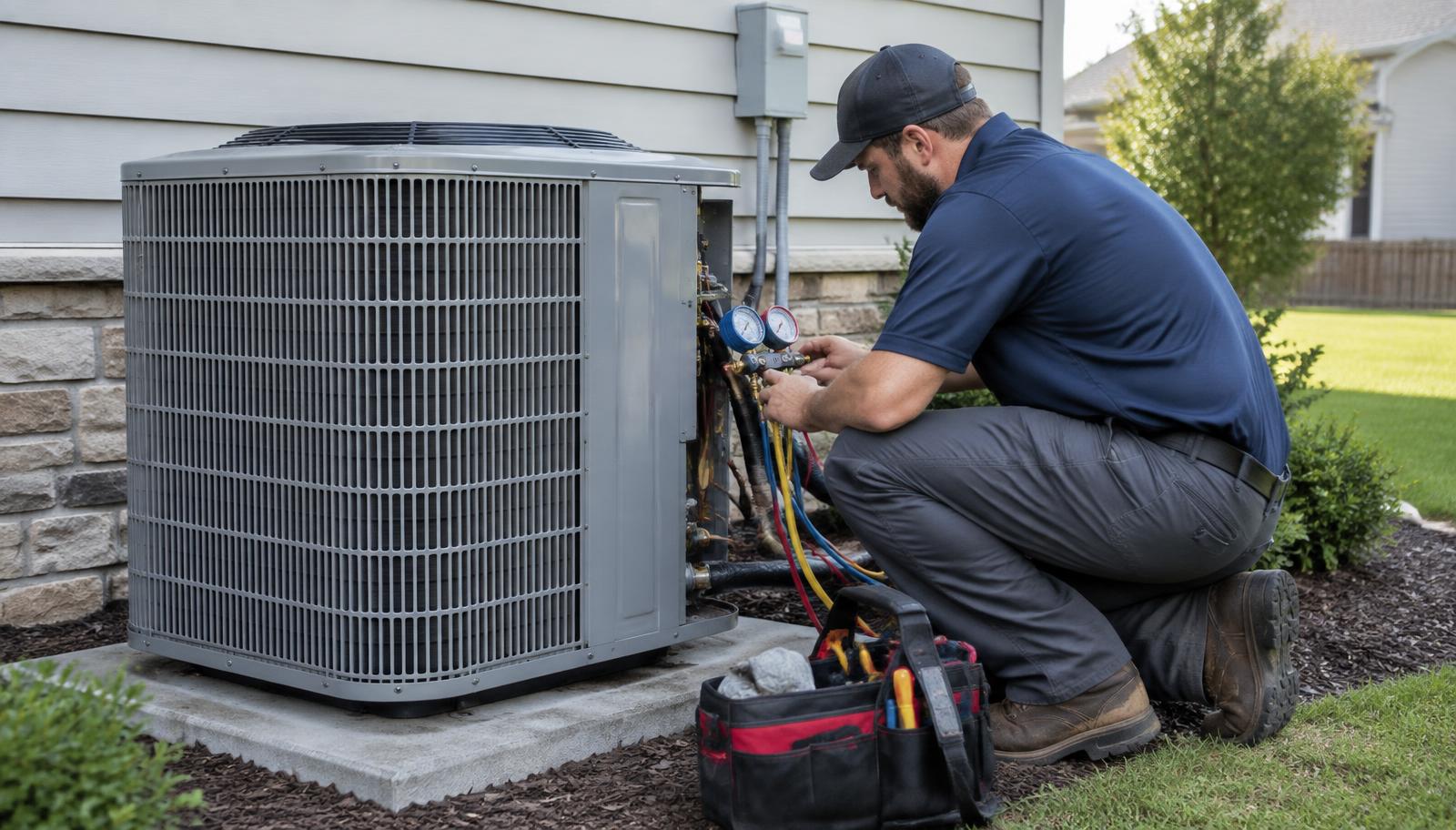
Heating & Cooling · plan before you hire
Poor cooling, unusual noises, repeated repairs, uneven temperatures or rising energy use can point to very different problems. Understand the symptoms before assuming you need a new system.
Check heating and cooling companies and typical costs in your area
Quick answer
Heating & Cooling — the short version
Your starting point
Start with the closest match. The same project label can involve very different work.
What is included
When a quote is missing one of these, the price difference usually has nothing to do with quality.
A Manual J style sizing check rather than matching the old unit's tonnage.
Condenser or heat pump, air handler or furnace, coil, and matched efficiency rating.
Duct condition, static pressure, returns, register sizing and any sealing or replacement.
Circuit and disconnect, line set, condensate drain and pan, thermostat and commissioning.
Why homeowners do it
The benefits homeowners report most often after a heating & cooling project — beyond how it looks.
Correct sizing and duct fixes remove the hot and cold rooms a bigger unit cannot solve.
Modern variable-speed equipment runs longer at low output instead of short cycling.
Sealed ducts, proper filtration and controlled humidity reduce dust and mustiness.
New compressors and correctly sized returns bring noticeable noise reduction.
Before and after
Drag the handle to simulate a heating & cooling project on a comparable home. Reference visualizations — your home, materials and light will differ.
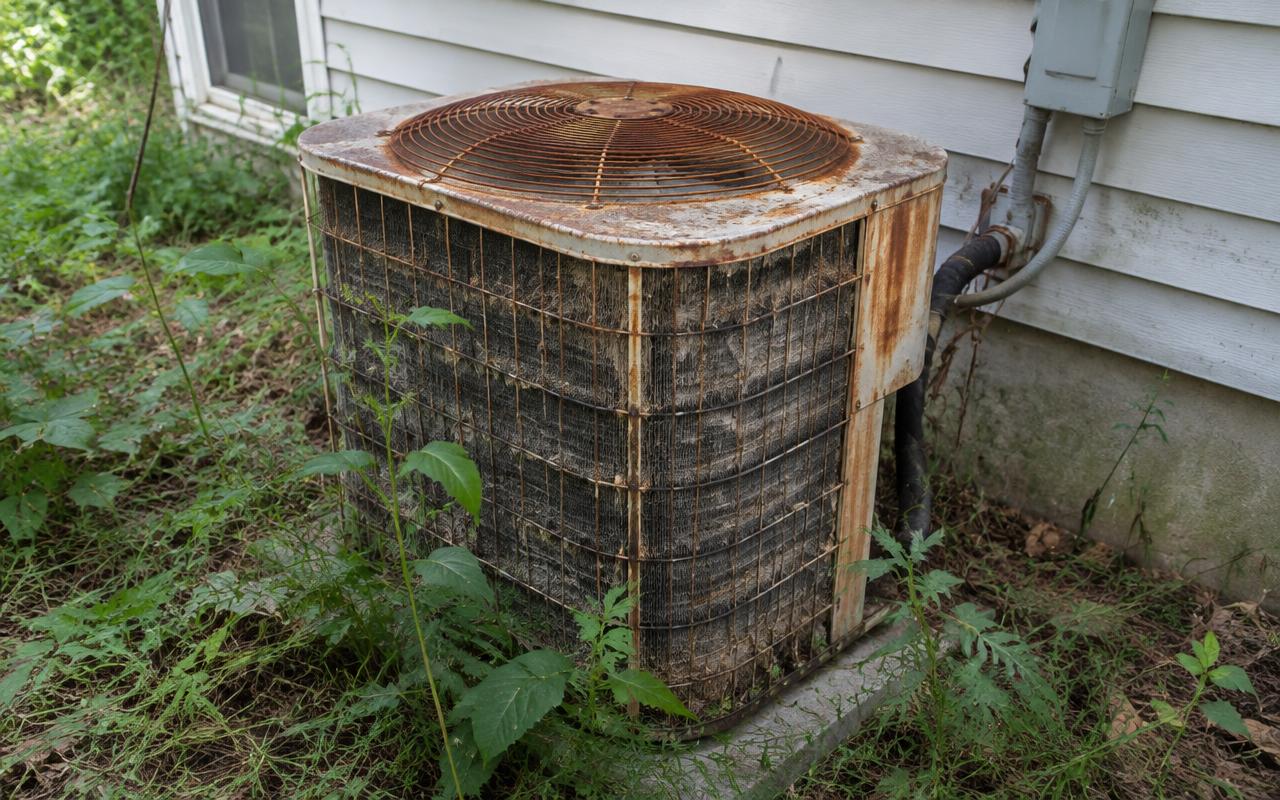
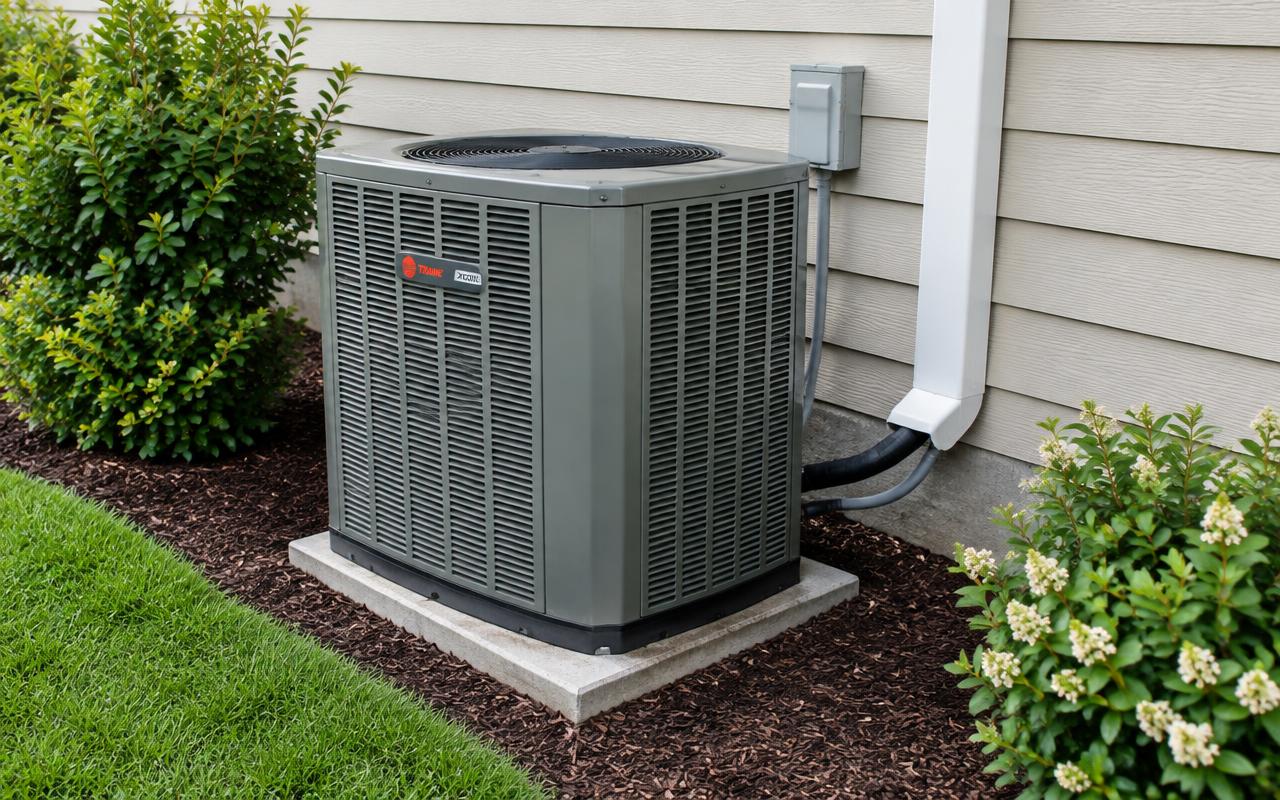
Old rusted unit replaced with a matched, properly set heat pump.
Cost clarity
A useful cost range only makes sense when the scope is clear. These are the details most likely to move the number.
Cost information is guidance, not a guaranteed project price. Actual cost depends on location, scope, materials, labor, home condition and other project-specific factors.
Explore CostsRepair, replace, or change the scope?
Consider current condition, repair frequency, repair cost, performance, comfort, efficiency, parts availability, whether one component or the broader system is failing, and how long you expect to remain in the home.
Compare My OptionsQuote checklist
Homeowner stories
We only publish heating & cooling stories once the homeowner, the project and their permission have been confirmed. Until then, the guidance above is the evidence.
Questions
The questions homeowners ask us most often before they start calling contractors.
Ask your own questionWeigh age, repair frequency, repair cost against replacement, refrigerant type, comfort performance and how long you plan to stay. Repeated repairs on older equipment usually favor replacement.
By a load calculation using your home's square footage, insulation, windows and orientation — not by copying the existing unit.
A straight swap is typically one day. Duct modifications, electrical work or a fuel change can extend it to two or three.
Often more. Leaky, undersized or poorly balanced ducts undermine even the best equipment.
Exact model numbers, how sizing was determined, duct and electrical work, line set and drain details, thermostat, permit responsibility, commissioning and both warranties.
How this is put together: Cost and scope guidance is written from published contractor pricing practice and typical project scope, then shown as ranges rather than quotes. Your project may differ.
Professional help
Tell us what is happening, what you have already learned, and how you prefer to be contacted.
Free. No obligation.