
Site and roof review
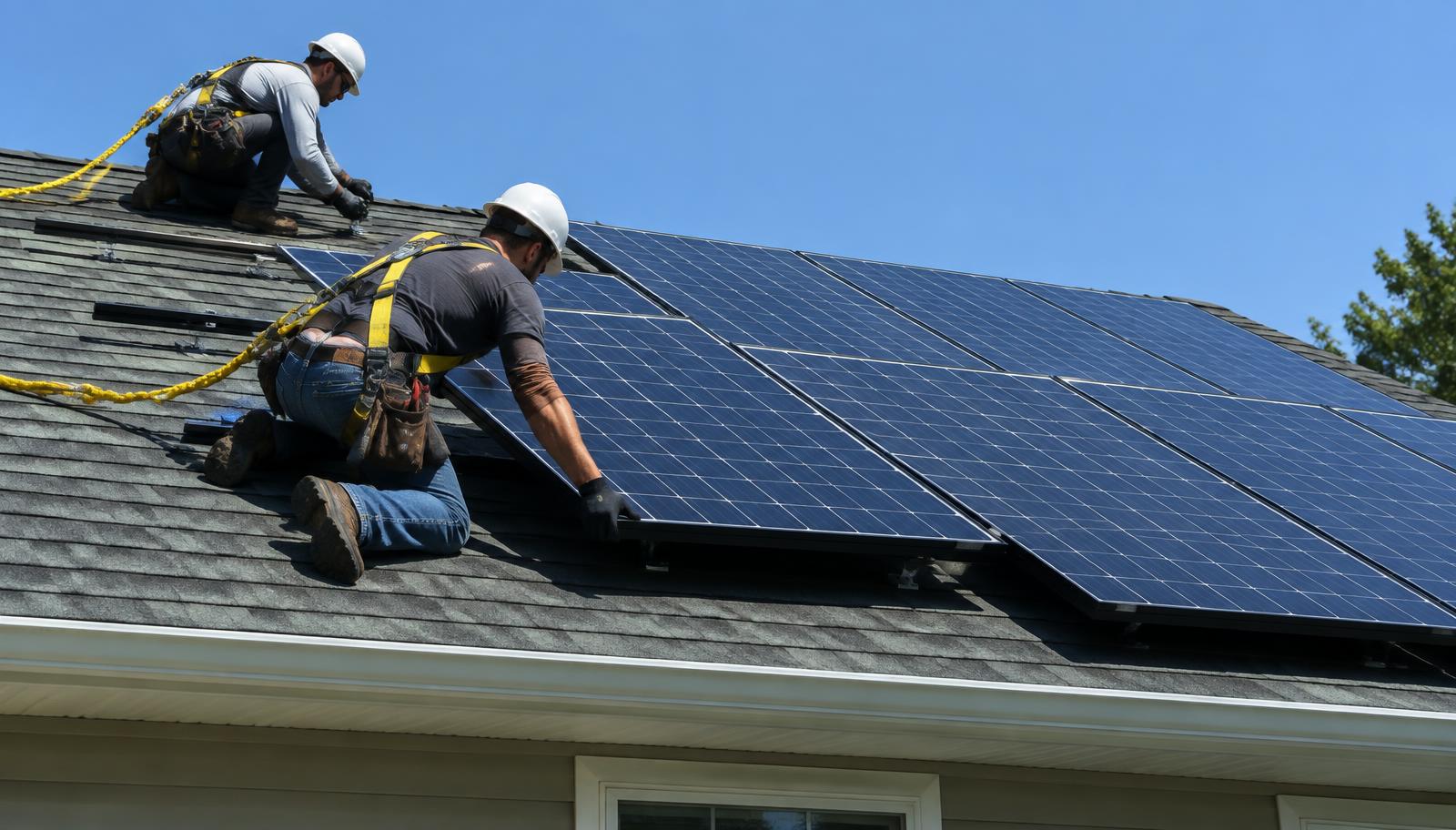
Roof age and condition, shading study, orientation and structural capacity.
Solar · plan before you hire
Compare system design, production assumptions, equipment, financing, warranties, roof condition and contract terms before focusing on the monthly payment.
Check solar installers and typical costs in your area
Quick answer
Solar — the short version
Your starting point
Start with the closest match. The same project label can involve very different work.
What is included
When a quote is missing one of these, the price difference usually has nothing to do with quality.
Roof age and condition, shading study, orientation and structural capacity.
Panel count and wattage, inverter type, production estimate and any battery.
Panel upgrade if needed, wiring, disconnects, meter change and utility approval.
Permitting, inspections, interconnection agreement and the incentive paperwork.
Why homeowners do it
The benefits homeowners report most often after a solar project — beyond how it looks.
A known monthly cost replaces exposure to future utility rate increases.
Paired storage keeps critical circuits alive during outages.
Federal, state and utility programs can materially change the real cost.
No moving parts; monitoring shows production without any daily attention.
Before and after
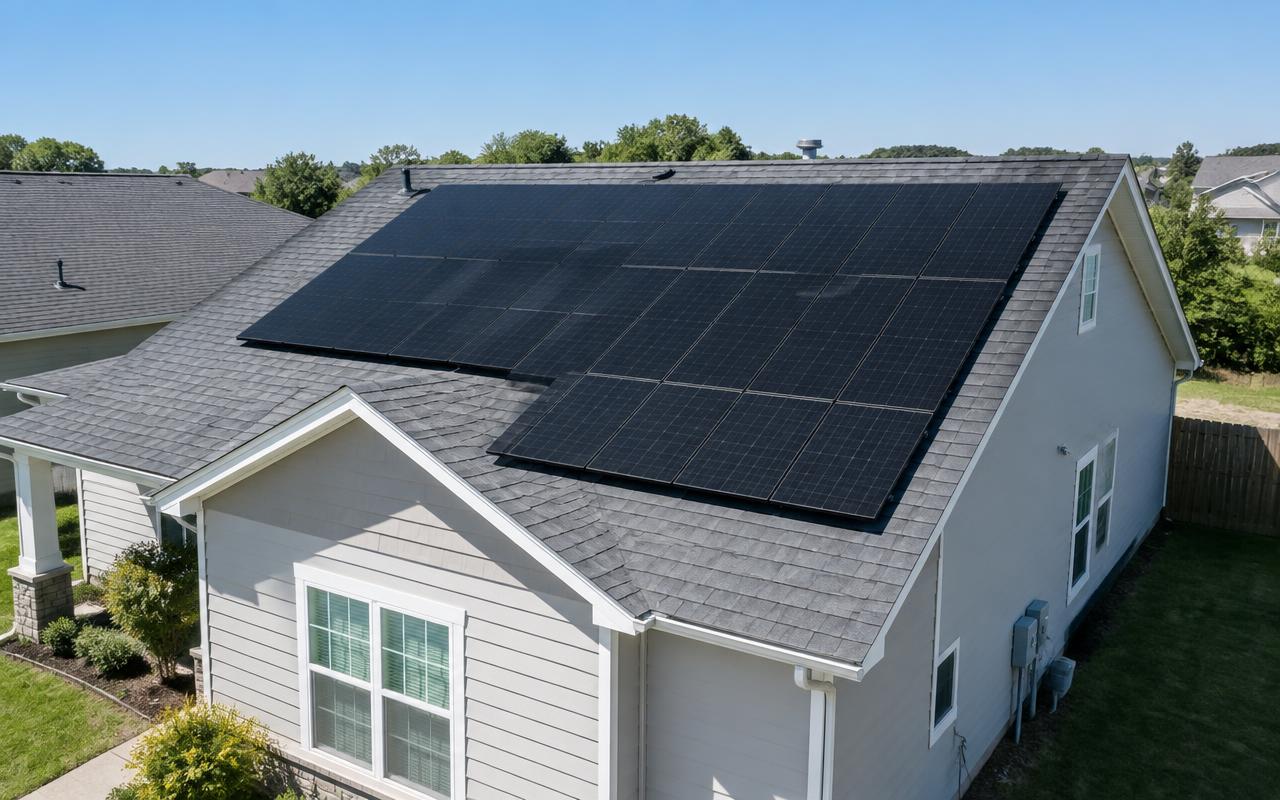
Drag the handle to simulate a solar project on a comparable home. Reference visualizations — your home, materials and light will differ.
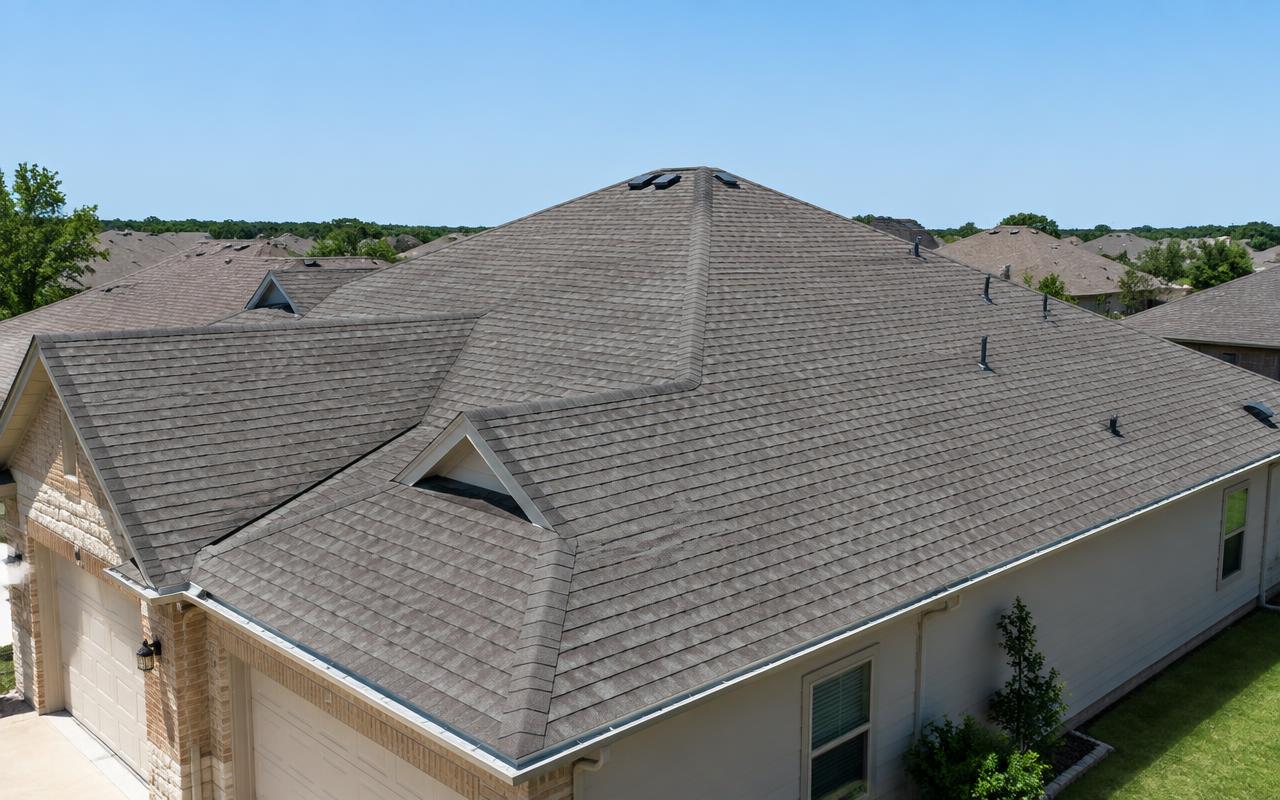
Structural review, mounting and a full-array installation.
Cost clarity
A useful cost range only makes sense when the scope is clear. These are the details most likely to move the number.
Cost information is guidance, not a guaranteed project price. Actual cost depends on location, scope, materials, labor, home condition and other project-specific factors.
Explore CostsRepair, replace, or change the scope?
Solar is generally a planning and proposal-comparison decision. Compare the full economics and equipment scope, not only the advertised payment.
Compare My OptionsQuote checklist
Homeowner stories
We only publish solar stories once the homeowner, the project and their permission have been confirmed. Until then, the guidance above is the evidence.
Questions
The questions homeowners ask us most often before they start calling contractors.
Ask your own questionIf the roof has under roughly 10 years of life left, replacing it first avoids paying to remove and reinstall the array later.
Purchase captures incentives and the best long-run economics. Loans spread cost with interest. Leases and power purchase agreements lower upfront cost but transfer the incentives and can complicate a home sale.
Only if you want outage backup or your utility's rate structure rewards storage. Batteries add substantial cost.
They are modeled from shading, orientation and local weather data. Ask which assumptions were used and whether production is guaranteed in writing.
One to three days on the roof, but permitting, utility interconnection and inspection commonly stretch the full timeline to one to three months.
How this is put together: Cost and scope guidance is written from published contractor pricing practice and typical project scope, then shown as ranges rather than quotes. Your project may differ.
Professional help
Tell us what is happening, what you have already learned, and how you prefer to be contacted.
Free. No obligation.