
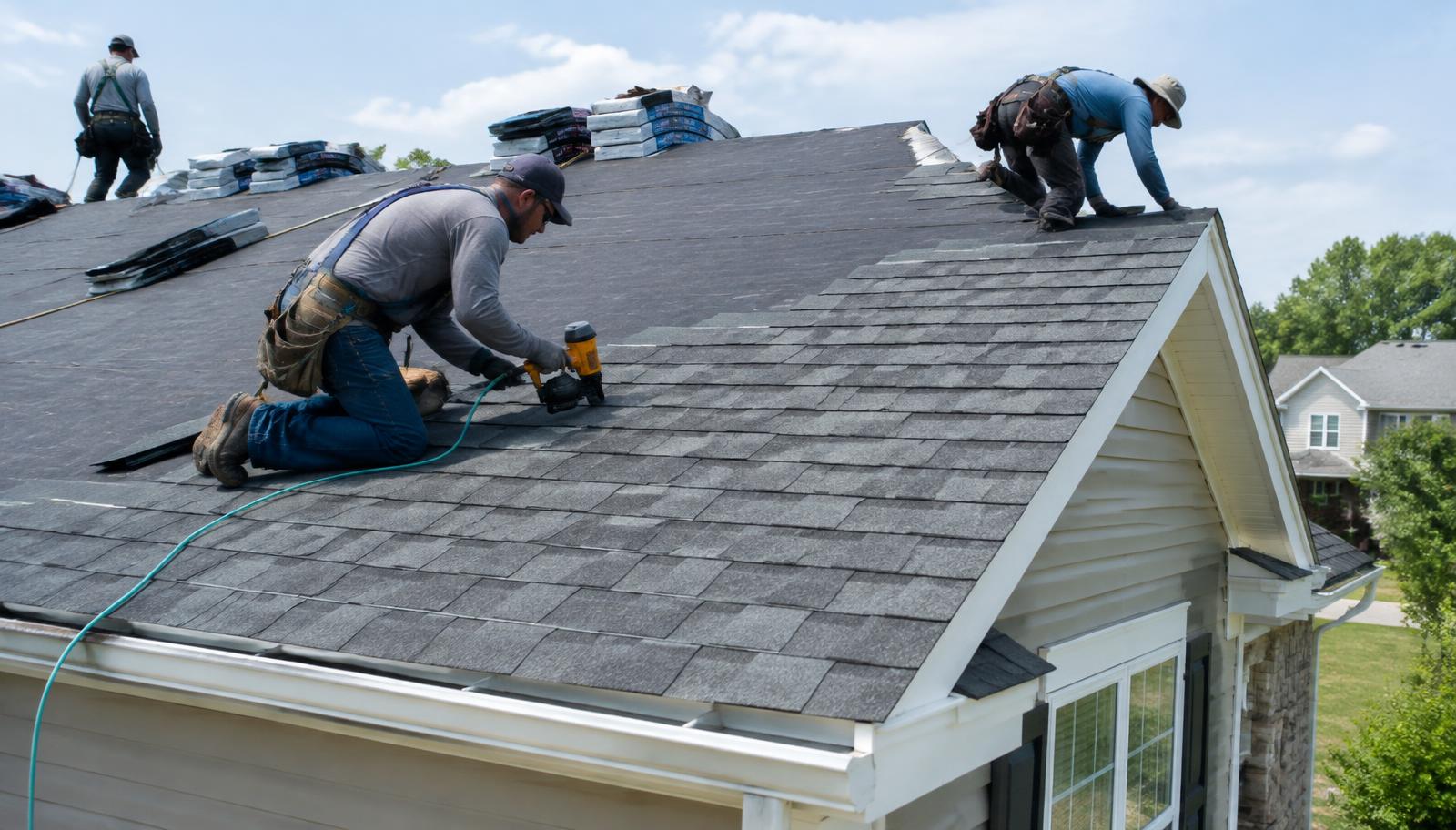
Tear-off and disposal
Removing existing layers, protecting landscaping and hauling debris.
Roofing · plan before you hire
A leak, damaged shingles, storm exposure or an older roof can mean several different things. Before deciding what to do, understand the problem, the likely scope, and what a roofing quote should explain.
Check roofers and typical replacement costs in your area
Quick answer
Roofing — the short version
Your starting point
Start with the closest match. The same project label can involve very different work.
What is included
When a quote is missing one of these, the price difference usually has nothing to do with quality.
Removing existing layers, protecting landscaping and hauling debris.
Inspecting sheathing, replacing rotted decking and re-nailing where required.
Underlayment, ice-and-water shield, valley metal and all flashing points.
The roof covering itself plus intake and ridge ventilation that protects it.
Why homeowners do it
The benefits homeowners report most often after a roofing project — beyond how it looks.
Most recurring leaks are flashing and valley details, which a replacement corrects properly.
A documented, permitted replacement with warranties simplifies claims and future sale inspections.
Correct intake and ridge ventilation reduces attic temperature and shingle stress.
The roof is a third of what people see from the street. New shingles change the whole facade.
Before and after
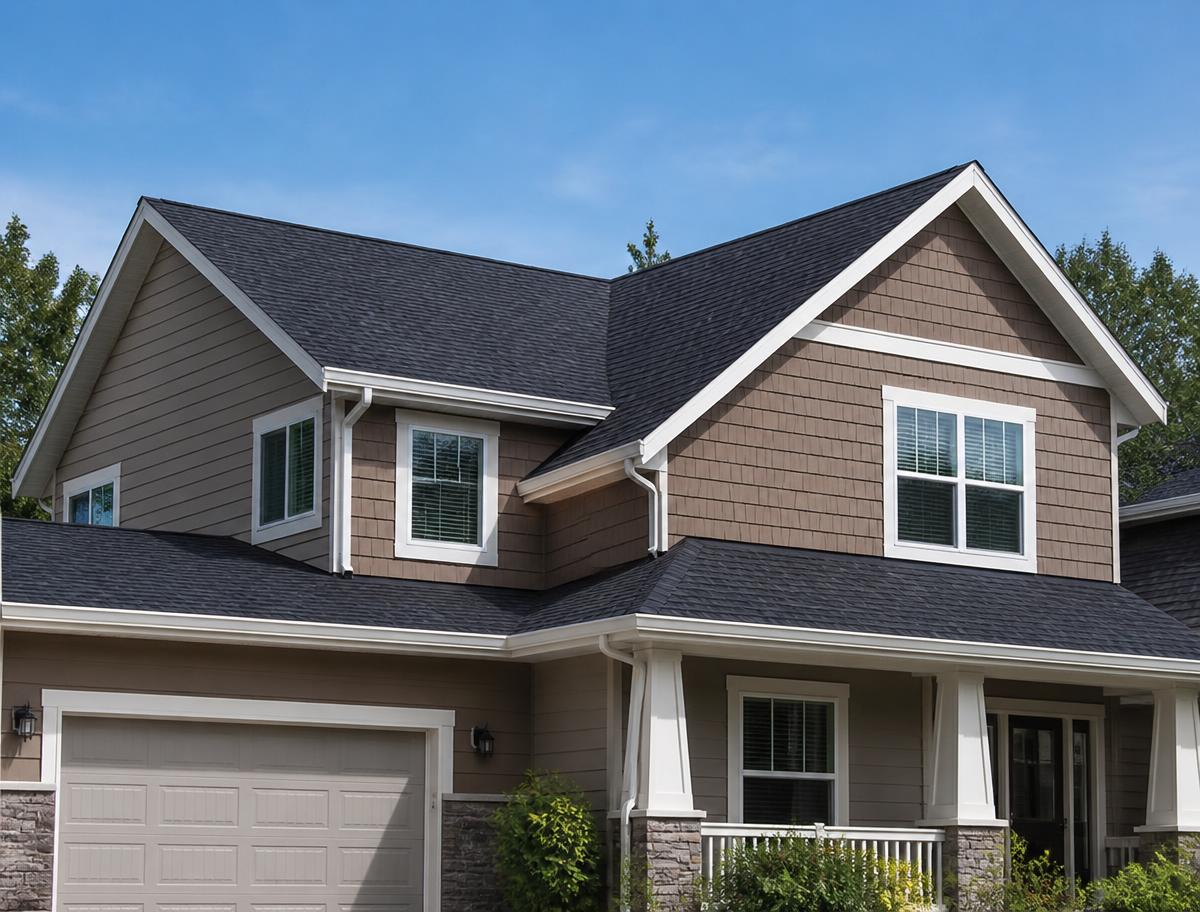
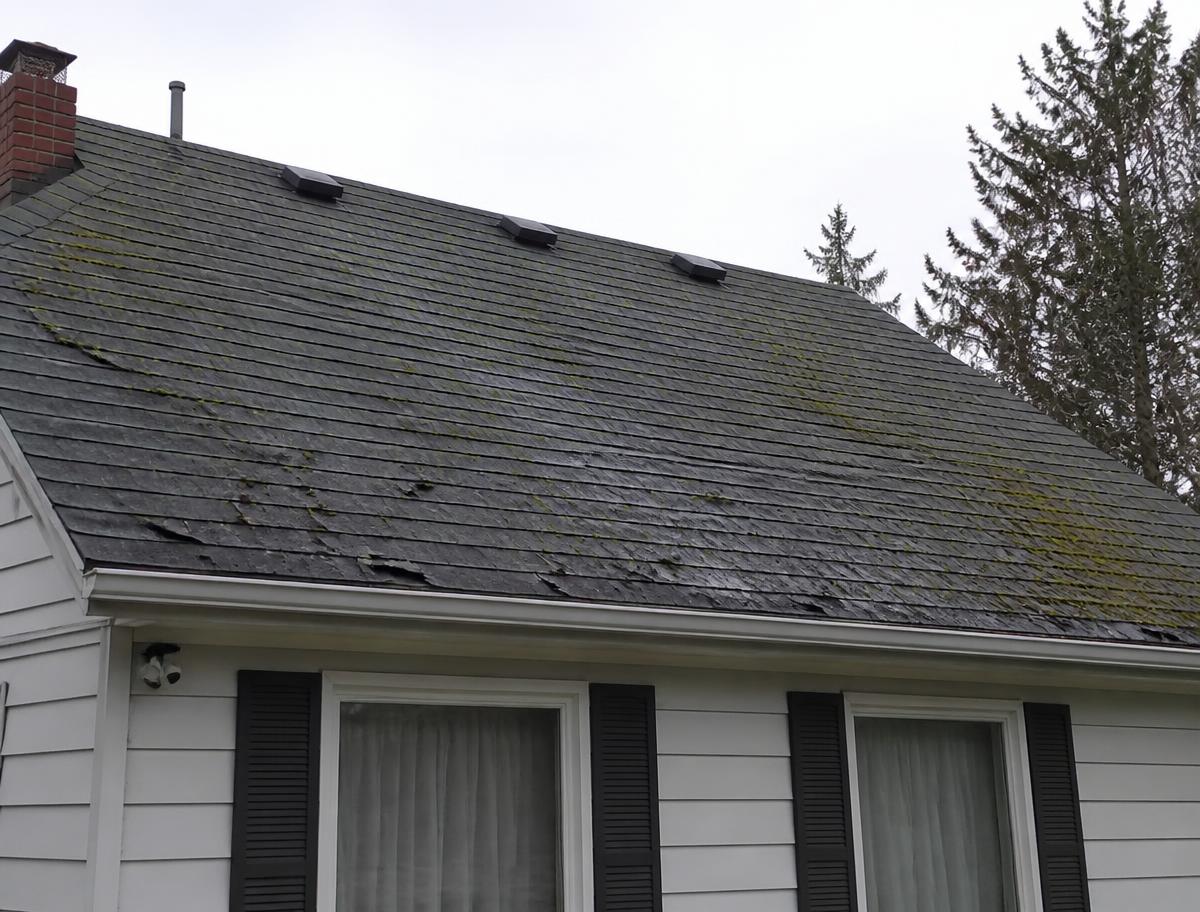
Drag the handle to simulate a roofing project on a comparable home. Reference visualizations — your home, materials and light will differ.
Tear-off, decking repair, new underlayment and architectural shingles.
Cost clarity
A useful cost range only makes sense when the scope is clear. These are the details most likely to move the number.
Cost information is guidance, not a guaranteed project price. Actual cost depends on location, scope, materials, labor, home condition and other project-specific factors.
Explore CostsRepair, replace, or change the scope?
Repair may be worth discussing when the issue is localized, the surrounding roof remains serviceable, and the proposed repair addresses the actual cause. Replacement may become more relevant when deterioration is widespread, leaks recur, large areas require work, or the underlying system no longer supports sensible patching.
Compare My OptionsQuote checklist
Homeowner stories
We only publish roofing stories once the homeowner, the project and their permission have been confirmed. Until then, the guidance above is the evidence.
Questions
The questions homeowners ask us most often before they start calling contractors.
Ask your own questionNot necessarily. Localized flashing, vent boot or valley problems are often repairable. Widespread deterioration, recurring leaks or failed decking point toward replacement.
Most single-family homes are torn off and re-covered in 1–3 days, weather permitting. Complex roofs and decking repairs add time.
Storm and hail damage is often covered while age-related wear is not. Document the date of the event and get the adjuster's scope in writing before signing anything.
Shingle product, tear-off layers, decking allowance, underlayment, flashing, ventilation, cleanup, permit responsibility, and both workmanship and manufacturer warranties.
Codes sometimes allow one overlay, but it hides decking problems and shortens shingle life. Most homeowners are better served by a full tear-off.
How this is put together: Cost and scope guidance is written from published contractor pricing practice and typical project scope, then shown as ranges rather than quotes. Your project may differ.
Professional help
Tell us what is happening, what you have already learned, and how you prefer to be contacted.
Free. No obligation.